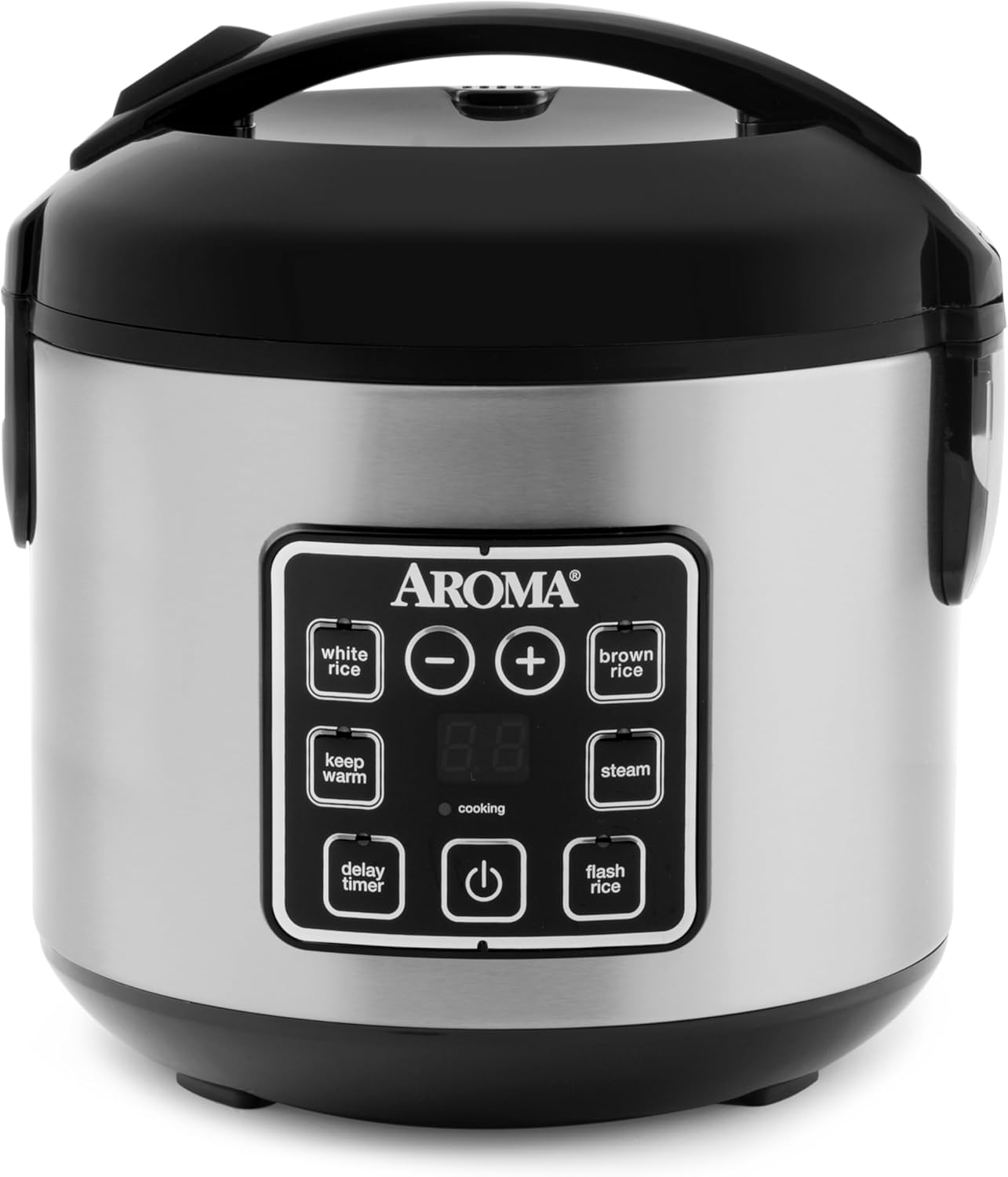
For many households, the kitchen appliance lineup has evolved significantly over the past decade. Where once a simple pot on the stove was the only method for cooking rice, today’s kitchens benefit from specialized cooking devices designed to simplify meal preparation. The AROMA Digital Rice Cooker (model ARC-914SBD) represents this modern approach to grain cooking—a straightforward appliance engineered to handle rice, grains, and steamed vegetables with minimal intervention required from the user.
Understanding what this type of appliance brings to the kitchen requires looking beyond surface-level features and examining how it actually functions in everyday cooking situations. This article explores the practical aspects of this particular model, from its core capabilities to the various ways you might incorporate it into your cooking routine.
Understanding Rice Cookers in Today’s Kitchen
Before diving into specifics about this particular model, it’s worth understanding where rice cookers fit into modern cooking. Despite their specialized purpose, rice cookers have become increasingly common in kitchens across different cultures and regions. The reason is straightforward: cooking rice consistently requires attention to water ratios, timing, and heat management—variables that a dedicated appliance can standardize.
The AROMA ARC-914SBD approaches this task with digital controls rather than purely mechanical ones. This means the appliance uses electronic sensors to detect when water has been absorbed, automatically transitioning from cooking mode to a warming function. This approach eliminates much of the guesswork involved in stovetop cooking.
Key Features and Specifications
Capacity and Dimensions
The 4-cup uncooked capacity (which yields approximately 8 cups of cooked rice) represents a moderate size suitable for most family meals or small gatherings. The 2-quart interior dimensions make it manageable for storage without occupying excessive cabinet space, a consideration that matters in kitchens with limited room.
Stainless Steel Exterior
The stainless steel construction serves both practical and aesthetic purposes. Functionally, it provides durability and resistance to denting or scratching during regular handling and cleaning. Aesthetically, stainless steel finishes tend to coordinate well with most modern kitchen décor without appearing dated, making it visually compatible with various kitchen styles.
Digital Controls
Rather than simple mechanical switches, this model includes digital controls that allow users to select cooking functions and monitor the process. Digital interfaces typically offer more precise control over temperature and timing compared to their mechanical counterparts, though they do require electricity to function even during the cooking cycle itself.
Cooking Functions
The multicooker designation indicates this isn’t exclusively a rice cooker. The appliance handles white rice, brown rice, grains, and includes a dedicated steaming function. This versatility means a single appliance can address multiple cooking tasks, which appeals to users seeking to consolidate their countertop equipment.
Heating Elements
The design includes a heating element positioned to warm the cooking pot from the bottom, a standard configuration that ensures even heat distribution throughout the cooking liquid. Some models in this category also include secondary heating elements or temperature sensors, though specification details should be confirmed through product documentation.
How This Appliance Works in Practice
Standard Rice Cooking
Using the appliance for rice begins with rinsing your rice—a step many cuisines recommend regardless of cooking method. Once rinsed, the rice goes into the removable cooking pot with the appropriate water ratio. While exact ratios vary depending on rice type and personal preference, most white rice follows a roughly 1:2 ratio of rice to water. The user then selects the rice setting, closes the lid, and the appliance handles the remainder of the process.
What distinguishes this from stovetop cooking is the automation. Once the water is absorbed and temperature reaches a certain point, the appliance automatically switches to a warming mode. This prevents overcooking and eliminates the need for monitoring. For households with multiple people eating at different times, the warming function maintains an edible temperature for extended periods.
Brown Rice and Specialty Grains
Brown rice requires different treatment than white rice, primarily because it has a bran layer that takes longer to soften. This model includes a dedicated brown rice setting, which adjusts cooking time and temperature accordingly. Users simply select the brown rice function rather than the standard white rice setting.
Beyond rice, the appliance can cook other grains—quinoa, millet, barley, and similar items—with appropriate water ratios. While less intuitive than rice cooking since each grain has different requirements, the basic approach remains similar: add grain and water, select an appropriate setting, and let the appliance manage heat and timing.
Steaming Function
The steaming capability represents a secondary cooking method built into the same appliance. Users place a steaming tray above the water level in the cooking pot, add vegetables or proteins to the tray, and select the steam function. This allows simultaneous cooking of rice and complementary items—steamed vegetables alongside grain, for instance—though it requires planning to ensure everything finishes at approximately the same time.
Warming Mode
After cooking completes, the appliance automatically enters warming mode, maintaining temperature without additional cooking. This feature proves particularly useful for meals where family members eat at staggered times or when entertaining guests who may be arriving at different times.
Who Might Find This Appliance Useful
Busy Professionals and Families
The primary advantage of any rice cooker is reduced active cooking time. For individuals managing multiple responsibilities during meal preparation, the ability to combine rice preparation with other cooking tasks—or to set it cooking while attending to other items—can meaningfully simplify evening routines.
People Cooking for Multiple People
Households with four or more regular residents tend to cook larger quantities of grain regularly. The 4-cup capacity suits this purpose well, being large enough to feed a family yet manageable in size. Smaller cooking vessels can require multiple batches, while larger ones may waste electricity for smaller meals.
Those Exploring Different Grains
While many people associate rice cookers exclusively with rice, exploring different grains is increasingly common. People working with diverse cuisines or addressing dietary preferences often rotate between various grains. An appliance designed to handle multiple options reduces the need for specialized equipment for each grain type.
Anyone Prioritizing Consistency
Some users are less interested in convenience and more focused on achieving consistent results. The automated temperature and timing controls eliminate variables that can affect stovetop cooking quality. For people who find cooking stressful or who struggle to achieve desired textures with traditional methods, the standardization this appliance provides can reduce frustration.
Important Considerations Before Using
Space and Storage
While the ARC-914SBD is moderate in size, countertop space remains a practical concern in many kitchens. Consider whether you have available counter space or if you’re comfortable storing it in a cabinet between uses. Unlike some small appliances that integrate into existing kitchen workflows, rice cookers work best when easily accessible.
Electricity and Cord Length
The appliance requires a nearby electrical outlet and uses electricity continuously during cooking. The cord length may limit placement options. For users with outlets in inconvenient locations, this could be a limiting factor.
Learning Appropriate Water Ratios
Despite the automation, successful use still requires understanding proper water-to-grain ratios. Incorrect ratios result in undercooked or mushy rice regardless of the appliance’s capabilities. Users new to cooking different grains may need to experiment before finding their preferred texture.
Cleaning and Maintenance
The removable cooking pot requires washing after each use. Some models have non-stick interiors that make cleaning easier, while others require more careful handling. The lid and exterior also need regular cleaning. Like any appliance, it benefits from occasional deep cleaning to prevent mineral buildup from water.
Limitations with Specialty Recipes
While the appliance handles basic grain cooking well, it’s not designed for risotto, paella, or other dishes requiring constant stirring and active ingredient additions during cooking. Users expecting a more versatile cooking device may find it limited.
Comparing Rice Cookers and Related Appliances
When evaluating this appliance, understanding how it relates to other cooking options provides helpful context.
Rice Cookers vs. Instant Pot and Pressure Cookers
Pressure cookers and multi-use electric cookers like the Instant Pot represent a different approach to the same basic problem. They typically cook faster due to higher temperatures and steam pressure, though they introduce more complexity in operation. Rice cookers are simpler to use but cook at standard atmospheric pressure. For someone seeking the simplest possible operation, a traditional rice cooker typically wins. For someone wanting maximum versatility and faster cooking, a pressure cooker might be more suitable.
Rice Cookers vs. Stovetop Cooking
The fundamental trade-off here is convenience versus equipment addition. Stovetop cooking requires an existing pot and active monitoring but takes up no permanent kitchen space. Rice cookers eliminate monitoring but require dedicated equipment and electricity. The choice depends on personal priorities and available kitchen real estate.
Rice Cookers vs. Oven Cooking
Some cooks prefer oven methods for batch cooking grains, which can produce slightly different textures and don’t tie up stovetop burners. Oven cooking typically takes longer and requires oven space. Rice cookers are faster and more compact but less visible during cooking.
Other Multicookers and Rice Cooker Brands
The market includes numerous rice cooker brands and designs. Some emphasize design and premium materials, others focus on simplicity, and still others include extensive programming options. The AROMA model represents a middle ground—more features than basic cookers but simpler than heavily computerized models.
Frequently Asked Questions
How much water should I use for cooking rice?
Water ratios depend on rice type and preferred texture. Standard guidance suggests a 1:2 ratio for white rice (one part rice, two parts water), though this varies. Brown rice typically requires slightly more water. Package directions and recipe sources provide specific guidance, and experimentation helps dial in personal preferences.
Can I use the appliance for other liquids besides water?
Yes, many users cook rice in broth or stock for added flavor. This works well functionally, though flavored liquids may leave residue that requires more careful cleaning. Avoid overly thick or sticky liquids that might impair sensor function.
How long does cooking typically take?
White rice usually cooks in 15-20 minutes after the appliance reaches full heat. Brown rice requires 35-45 minutes. Grains vary significantly depending on the specific type.
Is the non-stick coating safe?
This depends on the specific coating. Modern non-stick coatings in quality appliances are considered safe by health authorities when used as directed. Avoid using metal utensils that might scratch coatings, as scratches could potentially release particles.
What’s the difference between cooking and warming mode?
Cooking mode applies active heat to cook the grain. Once cooking completes, warming mode maintains temperature (usually around 140-160°F) without additional cooking. This prevents overcooking while keeping food warm.
Can it cook other items besides grains?
The steaming function allows cooking vegetables and proteins. Some users experiment with stews or other dishes, though it’s not specifically designed for this. Simple steamed items work best. Complex recipes requiring specific temperature control or ingredient interaction might not work well.
How often does it need cleaning?
After every use is ideal, though the non-removable exterior just needs occasional wiping. The interior cooking pot should be washed thoroughly to prevent mineral buildup and food residue.
Conclusion
The AROMA Digital Rice Cooker represents a practical approach to grain cooking for households that regularly prepare rice or other grains. Its moderate capacity, straightforward operation, and additional steaming capability make it relevant for various cooking situations. Like any specialized appliance, it works best for people who value its specific functions and have identified a regular place for it in their cooking routine.
The appliance isn’t a revolutionary solution but rather a reliable tool for standardizing an everyday cooking task. For some kitchens, this translates to meaningful time and energy savings. For others, the space and financial investment might not align with their cooking patterns. Understanding your own cooking habits and priorities—rather than external hype or marketing—provides the best framework for deciding whether this type of appliance suits your needs.