The relationship between people and rice cookers varies tremendously depending on geography, culture, and personal cooking habits. In many parts of the world, rice cookers are considered essential kitchen equipment—not a luxury but a practical necessity. For others, they represent an optional convenience that happens to produce good results. Regardless of where you fall on that spectrum, understanding different rice cooker technologies can help you make decisions that match your actual lifestyle and cooking patterns.
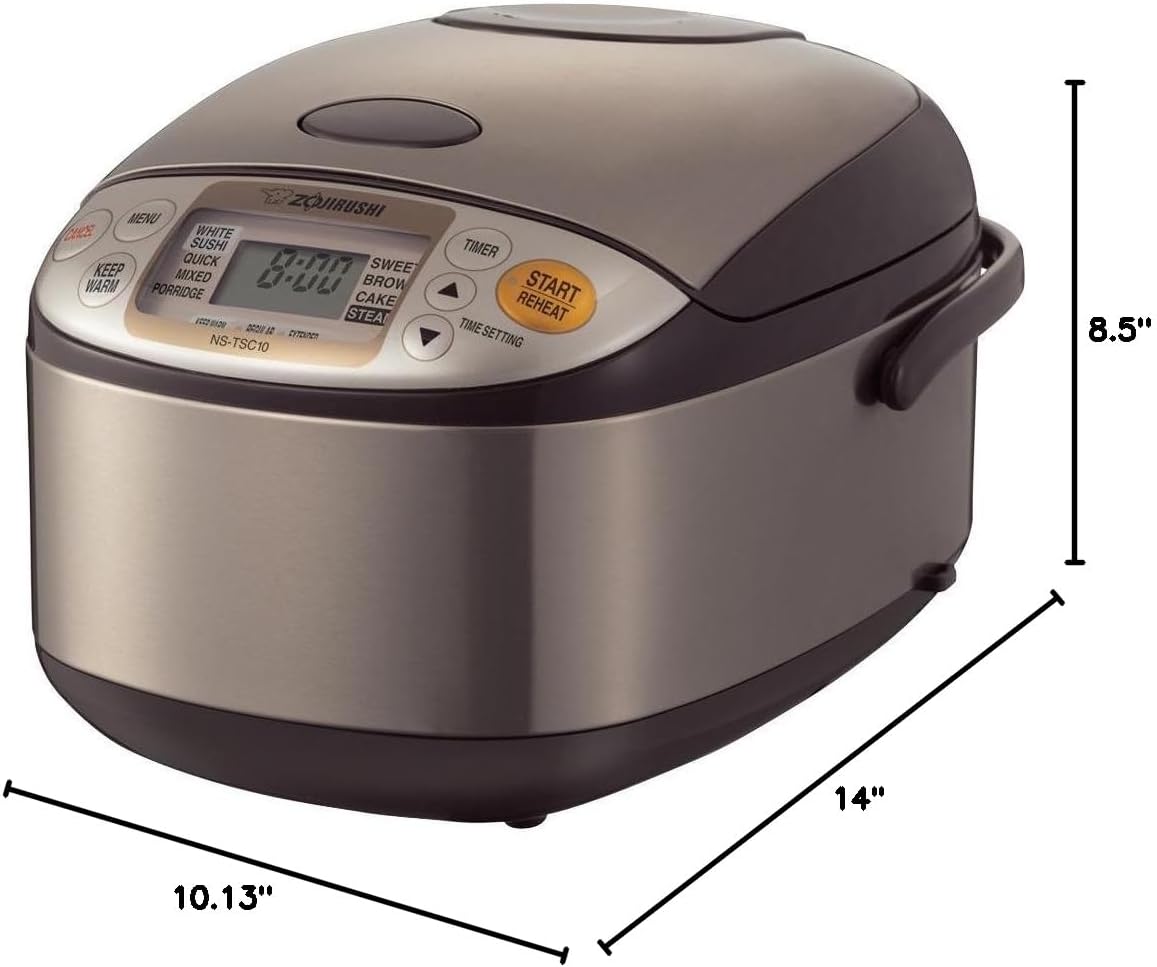
The rice cooker market includes several distinct technology categories, each with different approaches to managing the cooking process. The Zojirushi NS-TSC10 represents one particular approach: the microcomputer-controlled rice cooker, often abbreviated as “Micom” in product marketing. This model holds a 5.5-cup capacity (measuring uncooked rice) and operates using a 1.0-liter cooking vessel. Rather than relying on sophisticated electromagnetic systems or basic on-off thermostats, Micom technology uses a small computer to manage heating cycles and cooking sequences.
This article explores what microcomputer-controlled rice cookers do, how this technology differs from other approaches, and whether this particular cooking method might align with your kitchen needs.
What Micom Technology Actually Does
Before examining the specific features of the NS-TSC10, it’s worth understanding what “Micom” means in the context of rice cooking and why manufacturers emphasize this technology.
Micom is short for microcomputer. In rice cookers, it refers to a small computer chip that controls the cooking process. The microcomputer monitors sensors throughout the cooking cycle and makes adjustments to heating based on what those sensors detect. This is fundamentally different from very basic rice cookers, which typically use a simple thermostat that operates on a basic principle: heat until the temperature reaches a specific point, then switch to warming mode.
The microcomputer approach allows for more nuanced control. For example, the cooking process can follow a predetermined program with multiple phases. Initial heating might occur at one temperature setting to begin water absorption. Middle-stage cooking might use different parameters. A final stage might reduce heat to prevent burning or over-cooking. The computer executes these transitions automatically based on time elapsed or sensor data—typically heat and moisture sensors that detect changes in the cooking environment.
This graduated approach to cooking differs significantly from the on-off simplicity of basic models. Rather than simply boiling rice in water at a constant temperature until the water is absorbed, microcomputer systems follow more complex cooking curves. The theory is that this produces more consistent results, better texture, and less risk of either undercooked or burned rice.
Importantly, Micom technology is not the same as induction heating technology. Induction heating uses electromagnetic fields to heat the cooking vessel directly. Micom cookers use traditional heating elements—typically located at the bottom of the cooker—but manage them with computer control. This distinction matters because it affects cooking speed, temperature precision, and energy consumption.
Key Features of the NS-TSC10
Capacity and Physical Design
The 5.5-cup capacity (in uncooked rice measurement) aligns with household sizes of approximately 4-6 people eating rice as a regular side dish, though actual servings depend on portion sizes and how rice is used in meals. The 1.0-liter vessel dimension is essentially another way of expressing this same capacity. Both measurements describe the same internal cooking space.
The exterior design is straightforward and functional. Zojirushi typically uses simple, clean aesthetics without excessive ornamentation. The cooker is compact enough for standard kitchen countertops without consuming excessive space. Unlike some Asian-marketed appliances that emphasize decorative elements, this model prioritizes practicality.
The exterior materials are typically durable plastics that resist staining and scratching. While not as visually distinctive as brushed stainless steel models, plastic housings offer practical advantages: they’re lighter weight, less prone to showing fingerprints, and cooler to the touch during operation than metal exteriors would be.
Micom Control System
The microcomputer control is the distinguishing feature that justifies the model name. This system monitors the cooking process and makes real-time adjustments. Unlike models that switch from cook to warm once temperature reaches a certain threshold, the Micom system follows a more detailed sequence.
The microcomputer typically manages several heating phases during a single rice cooking cycle. This might include a rapid heating phase to bring water temperature up quickly, a main cooking phase where heat is adjusted based on moisture being absorbed, and potentially a resting phase where heating gradually reduces to prevent burning. These phases transition automatically—you don’t need to adjust anything or monitor progress.
Different rice types can follow different cooking curves. White rice and brown rice require different time and temperature profiles because their structures are different. Brown rice has a tough outer hull and takes substantially longer to become tender. A microcomputer-controlled cooker can use entirely different cooking sequences for different rice types, optimizing each one individually.
Cooking Settings and Programs
Most Micom cookers in the Zojirushi line include multiple cooking programs for different purposes. The NS-TSC10 typically offers settings for white rice, brown rice, and sometimes sushi rice or other specialty varieties. Each setting uses a cooking curve tailored to that rice type’s specific characteristics.
Beyond rice, some Micom models include cooking functions for other dishes. These might include settings for cooking porridge (congee), which requires much higher water-to-rice ratios and longer cooking times, or settings for cooking other grains entirely. The breadth of additional functions varies by specific model and market region.
Display and Interface
A simple LED display typically shows the current cooking status. This might indicate which cooking program is active or display estimated time remaining. The control interface uses straightforward buttons for selecting programs and initiating cooking. This simplicity is actually a design advantage—there’s less complexity to learn, and fewer things to potentially malfunction.
Some models in this category include a delayed start timer feature, allowing you to load the cooker with rice and water, set a delay time, and have the cooker automatically begin cooking at a specified time. This feature enables you to time rice cooking to coincide with dinner preparation or arrival time. However, the instruction manual specifies whether delayed cooking is available and which recipes support it.
Keep-Warm Function
After the rice finishes cooking, the cooker automatically switches to a keep-warm mode. This maintains the rice at a safe serving temperature without continuing active cooking. The keep-warm cycle typically runs for several hours, though extended warming periods (beyond 8-10 hours) can gradually degrade rice quality as moisture continues to evaporate.
Inner Pot Design
The removable inner cooking pot features a non-stick coating to prevent rice from sticking to the bottom and burning. The pot’s design and material contribute to how heat distributes during cooking. Most Zojirushi inner pots are designed specifically for their models and shouldn’t be replaced with generic cookware.
The pot is typically hand-washed rather than dishwasher-safe, as the non-stick coating can be damaged by high temperatures or harsh detergents. This is a minor maintenance consideration but worth noting if you prefer completely dishwasher-compatible kitchenware.
How the NS-TSC10 Is Used in Practice
Basic Rice Cooking Process
Using a Micom rice cooker follows a consistent routine that becomes automatic with repetition. The process is intentionally simple—the complexity happens inside the device, not in your actions.
Start by measuring rice using the included measuring cup. Rice is standardized in cups—the rice cooker cup holds approximately 180 milliliters, which differs from standard cooking measuring cups. Using the included cup ensures consistent measurements. Transfer the measured rice to a strainer and rinse it under cold running water, stirring gently with your fingers. This removes surface starch from the rice grains. While some sources debate whether rinsing is essential, it’s a standard practice in many cuisines and generally produces fluffier rice with less stickiness.
Pour the rinsed rice into the inner pot and add water according to the ratio specified in your instruction manual. For white rice, this is typically around 1 cup rice to 1.1 cups water. Brown rice requires more water—often 1 cup rice to 1.4 or 1.5 cups water—because the harder outer hull requires more liquid to soften properly. The manual provides specific ratios for different rice varieties.
Place the inner pot into the cooker body and close the lid. Select your desired cooking program using the control buttons. If you want to begin cooking immediately, press the cook button. If using a delayed start feature (if available), set your desired start time using the timer buttons before pressing cook.
The microcomputer takes over from this point. It monitors the cooking process, managing temperature adjustments throughout the cycle. You don’t need to check progress or adjust anything. The entire sequence runs automatically until completion.
Once cooking finishes, the cooker automatically switches to keep-warm mode. The rice is now ready to serve whenever you’re ready. The keep-warm function maintains the rice at serving temperature for several hours.
Cooking Different Rice Varieties
Understanding the different characteristics of rice types helps explain why multiple cooking programs are useful.
Short-grain white rice (common in Asian cuisines) absorbs water quickly and becomes tender relatively fast. A cooking cycle for white rice typically lasts 20-35 minutes depending on quantity. The rice grains are naturally tender and don’t require extended cooking.
Long-grain white rice, commonly used in Latin American and other cuisines, has longer grains that take slightly longer to fully hydrate. Cooking cycles are typically 35-45 minutes. The cooking program for long-grain rice accounts for this different absorption rate.
Brown rice presents a different challenge. The outer bran layer is harder than the white endosperm inside. Rice grain structure means brown rice requires substantially more time and moisture to become tender. Brown rice cooking cycles often extend 50-60 minutes or even longer. The Micom system’s brown rice setting accounts for these requirements, running a different temperature and timing sequence than white rice.
Some cookers include settings for specialty rices like sushi rice, arborio, or jasmine rice. Each has specific characteristics that dedicated cooking programs can optimize. Using the correct program, when available, increases your likelihood of achieving desired texture.
Cooking Grains Beyond Rice
Many Micom cookers can cook grains other than rice, though success varies by grain type and whether a specific program exists.
Barley can be cooked similarly to brown rice, using increased water and extended cooking time. Quinoa, despite not being a traditional grain, can be cooked in some cookers using similar water ratios to rice, though results depend on the cooker’s heating characteristics. Oats can be cooked at higher water ratios to create a porridge-like consistency.
The instruction manual specifies which grains can be cooked and appropriate water ratios. Experimenting with non-rice grains carries some risk of unsatisfactory results if the grain’s cooking requirements differ significantly from rice. Starting with small test batches before cooking larger quantities is a reasonable approach.
Porridge and Congee Cooking
Porridge or congee involves cooking rice in much higher water-to-rice ratios, creating a thick soup rather than distinct grains. This dish is popular in many Asian cuisines and is often served for breakfast or as comfort food. Water-to-rice ratios for porridge might range from 1:4 to 1:6 (one cup rice to four to six cups water), depending on desired thickness.
Some Micom cookers include dedicated porridge settings that manage this different cooking approach. Without a specific setting, you could theoretically use the white rice program with adjusted water ratios, though results might differ from what the recipe intends. Checking your manual for porridge cooking guidance is worthwhile if this is a dish you plan to prepare.
Who Might Find This Cooker Suitable
Regular Rice Eaters on a Budget
Micom cookers represent a middle ground in the rice cooker market. They’re more sophisticated and typically more expensive than basic on-off models, but less costly than induction heating cookers. For households where rice is a dietary staple and budget matters, this technology offers noticeable improvements in consistency without excessive cost.
People Transitioning to Regular Rice Cooking
If you’ve historically cooked rice on the stovetop but want to incorporate it more regularly into your diet, a Micom cooker bridges the transition nicely. It’s more forgiving than stovetop cooking, handling the technical details automatically. The results are typically very good, building confidence that rice cooking isn’t complicated.
Small to Medium Households
The 5.5-cup capacity serves 4-6 people as a main rice dish or 6-8 people as a side component. This matches the needs of many household sizes. If you regularly cook for larger groups or have a bigger family, this capacity might feel constraining. For smaller households, it might be slightly larger than needed but still practical.
Those Who Value Simplicity
The Micom control system is simple to use—far fewer buttons and functions than some cookers, fewer potential failure points than more complex systems. If you prefer straightforward appliances that do one thing well rather than complicated devices with extensive features, this appeals to you.
People with Limited Counter Space
At 5.5-cup capacity, this cooker is compact—not taking up excessive counter space while still offering practical capacity. If your kitchen is smaller or counter space is limited, a mid-sized cooker like this balances usability with practicality better than either very small or very large models.
Home Cooks Wanting Convenience Without Complexity
The appeal of rice cookers is fundamentally about convenience: load with rice and water, press a button, come back to finished rice. The Micom system delivers this convenience without requiring extensive interface navigation or learning curve. This simplicity is its own advantage.
Important Considerations Before Use
Assessing Your Actual Rice Consumption
Honestly evaluating how much rice you genuinely eat is important. If rice appears in your diet multiple times weekly, a rice cooker represents a legitimate convenience tool. If you prepare rice a few times monthly, a cooker might sit unused most of the time. Consider your actual patterns rather than aspirational cooking habits.
Understanding Capacity Needs
A 5.5-cup capacity produces enough cooked rice for approximately 11-16 people if serving rice as a side dish, or 5-8 people if rice is the main component. Calculating your typical serving needs against this capacity ensures the cooker actually fits your usage patterns.
Learning the Controls
While Micom cookers are generally straightforward, spending time reading the instruction manual before first use is worthwhile. Understanding all available cooking programs, how to use any delayed start features, and specific cooking recommendations for different rice types prevents confusion later.
Maintenance Expectations
Regular cleaning maintains the cooker’s function. The inner pot should be washed after each use—rice residue left inside can harden and become difficult to clean. The exterior should be wiped occasionally. The non-stick coating on the inner pot benefits from gentle hand-washing rather than aggressive scrubbing.
Long-term Parts Availability
Understanding whether replacement parts like inner pots or heating elements are available if components wear is practical. Some appliance manufacturers discontinue specific model parts after a number of years. Checking current parts availability is worthwhile, especially if purchasing a slightly older model.
Warranty Details
Zojirushi products come with manufacturer warranties, but coverage varies by region and purchase location. Understanding what’s covered, how long coverage lasts, and the process for warranty claims is important information before purchase.
How Micom Cookers Compare to Other Rice Cooking Methods
Versus Basic On-Off Cookers
Entry-level rice cookers use simple thermostat control: heat until the temperature hits a certain point, then switch to warm. They’re significantly less expensive than Micom cookers and work adequately for basic rice cooking. The trade-off is that texture and consistency can be less refined, and there’s no accommodation for different rice types. For people who cook rice infrequently or don’t care about optimized results, basic cookers accomplish the task.
Versus Induction Heating Cookers
Induction heating uses electromagnetic technology to heat the cooking pot directly. This allows for more precise temperature control throughout the cooking cycle. Induction cookers typically cost more than Micom models and cook slightly faster due to the direct heating approach. Induction heating is theoretically more energy-efficient over time. The practical difference in results between Micom and induction heating is often subtle—both produce good, consistent rice. Induction is superior if you prioritize absolute precision; Micom offers better value for good-quality results.
Versus Stovetop Cooking
Stovetop cooking gives you complete control but requires active attention. You must watch for boiling, adjust heat, and make judgments about when cooking is complete. This approach develops cooking skills but demands time and presence. Rice cookers eliminate this attention requirement while producing reliable results. Most people find the convenience advantage substantial.
Versus Pressure Cookers
Pressure cookers cook rice dramatically faster—sometimes in under 10 minutes. They achieve this by cooking under pressure at temperatures above normal boiling. The speed is impressive, but pressure cooking requires more technique to achieve good texture consistently. Many people find the process intimidating initially. Rice cookers are gentler and more forgiving, though slower.
Versus Cast Iron or Traditional Cooking Vessels
Some cuisines traditionally use cast iron pots, clay vessels, or specialized cookware for rice cooking. These methods produce distinctive flavors and textures developed over centuries. The trade-off is that they require considerable technique and active management. Rice cookers prioritize convenience over traditional technique. Which approach you prefer depends on whether you value results or experience.
Frequently Asked Questions
Q: How many people can a 5.5-cup rice cooker serve?
A: A 5.5-cup capacity (uncooked rice) produces approximately 11-16 cups of cooked rice, depending on rice type and how firmly it’s packed. This typically serves 5-8 people as part of a meal with other dishes, or 4-6 people if rice is the main component. Actual servings vary based on appetite and portion sizes.
Q: What’s the difference between Micom and induction heating?
A: Micom uses a microcomputer to manage traditional heating elements, adjusting temperature throughout the cooking cycle. Induction heating uses electromagnetic fields to heat the cooking pot directly. Both produce good results; induction offers more precise temperature control, while Micom offers better value and sufficient performance for most purposes.
Q: Do I need to rinse rice before cooking?
A: Rinsing removes surface starch from rice grains and is standard practice in many cuisines. It typically produces fluffier, less sticky rice. Some rice varieties are sold pre-rinsed. Whether to rinse depends on rice type and your texture preference. Your instruction manual may provide specific guidance.
Q: Can I cook brown rice in the same way as white rice?
A: No—brown rice requires more water and longer cooking time because its outer hull is tougher. The Micom system includes a separate brown rice setting that accounts for these different requirements. Using the brown rice setting rather than white rice setting produces better results with brown rice.
Q: What should I do if rice turns out too mushy or too firm?
A: This usually indicates incorrect water-to-rice ratios for your specific rice type or brand. The instruction manual provides recommended ratios. If adjusting the ratio, make small changes—reducing water slightly for firmer rice or adding more for softer rice. Different rice varieties and brands might require slight ratio adjustments.
Q: How long can rice stay in keep-warm mode?
A: Most rice cookers maintain rice safely at serving temperature for 4-8 hours in keep-warm mode. Extended periods beyond this can degrade quality as rice gradually dries out. For best quality, consume rice within a few hours of cooking completing.
Q: Is the inner pot dishwasher-safe?
A: Most Zojirushi inner pots are hand-wash only because dishwasher temperatures and detergents can damage the non-stick coating. Check your specific model’s manual for cleaning instructions. Hand-washing is quick and helps preserve the pot’s longevity.
Q: What if the cooker doesn’t start cooking after I press the button?
A: Ensure the inner pot is properly seated in the cooker body. The cooker typically won’t operate if the pot isn’t positioned correctly. If the pot is properly positioned and the cooker still doesn’t respond, check that you’ve selected a cooking program before pressing cook. Consult the manual if problems persist.
Q: Can I use this cooker for foods other than rice?
A: Many Micom cookers can cook other grains, prepare porridge, or heat water. The instruction manual specifies which functions are available and how to use them. Not all Micom cookers have identical capabilities, so checking your manual is important before attempting new applications.
Q: What warranty coverage comes with this cooker?
A: Zojirushi products include manufacturer warranties, but coverage details vary by region and purchase location. Coverage typically includes defects in materials and workmanship for a specified period, usually one to three years. Check the documentation that came with your cooker or the manufacturer’s website for specific warranty details applicable to your purchase.
Q: How much electricity does this cooker use?
A: Typical power consumption ranges from 400-700 watts during active cooking, with lower consumption during keep-warm mode. Total electricity use depends on how frequently you cook rice and cooking duration. Compared to cooking rice on a stovetop or in an oven, rice cookers are generally reasonably efficient.
Conclusion
The Zojirushi NS-TSC10 represents a practical approach to rice cooking technology. Rather than utilizing the most advanced heating systems available or relying on simple on-off controls, the Micom system offers a middle path: computer management of traditional heating elements that produces consistent, good-quality results without excessive cost or complexity.
Whether this cooker aligns with your needs depends on your actual rice consumption patterns, household size, and whether you value the convenience of automatic cooking. For people who eat rice regularly and appreciate reliable results without active monitoring, Micom cookers deliver genuine practical value. The 5.5-cup capacity serves most household sizes well, and the simple interface means there’s minimal learning curve.
The technology works quietly in the background—you load the cooker with rice and water, press a button, and return to finished rice. This simplicity is genuinely valuable in a kitchen environment where time and attention are limited resources.
Understanding your rice cooking needs, reading the instruction manual carefully before first use, and matching the cooker’s capacity to your actual household size ensures you make a decision based on practical considerations rather than hypothetical cooking scenarios.